Artefacts

Explore a collection of over 16,000 items that tell the story of Mennonite life. From delicate textiles to pioneer tools, these artifacts are the heart of our village.

Mennonite Heritage Village is home to over 16,000 artefacts, including small trinkets, clothing, vehicles, and the buildings that make up our Outdoor Village.

These artefacts tell the story of the Russian Mennonites, following their journey from Switzerland, through Prussia and South Russia, and their immigration and forced migration to Southern Manitoba. The entire collection is preserved and cared for by our curatorial team.

The Mennonite Heritage Village collections reach a diverse audience across the world, with the goal of advancing knowledge, research, and community.

  • Vehicles

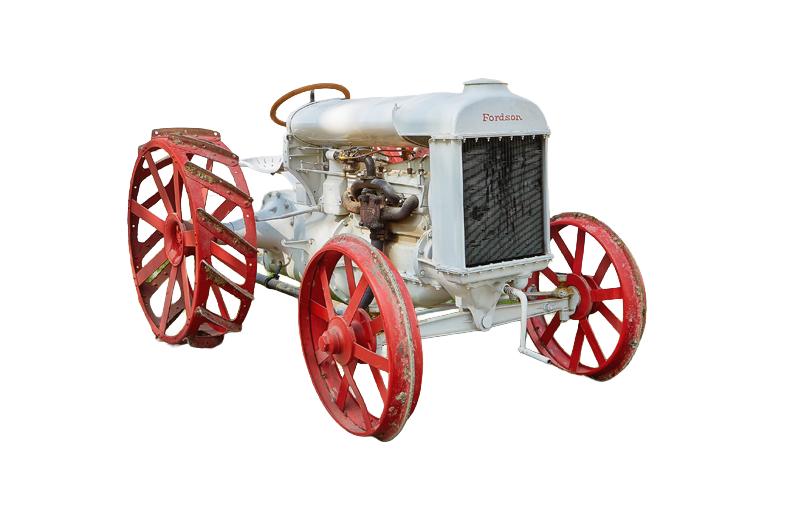
1926 Fordson F Tractor

Year: 1926

Donated/lent by: N/A

This tractor is nearly identical to those sent to Ukraine by the Mennonite Central Committee (MCC) in 1923 during the Ukrainian famine. The one at MHV was restored to factory specifications between 2009 and 2010.

  • Books

Midwife’s Reference Book

Year: 1883

Donated/lent by: Leona Rempel, Sandra Sheridan

In Anna Toews’ journal, she documented recipes and remedies for curing the ailments of the people she treated. As a widwife in Blumenort (East Reserve) from 1893 to 1932, she delivered almost 1000 babies, and lent her services to the Metis people of Ste. Anne and Richer.

  • Furniture

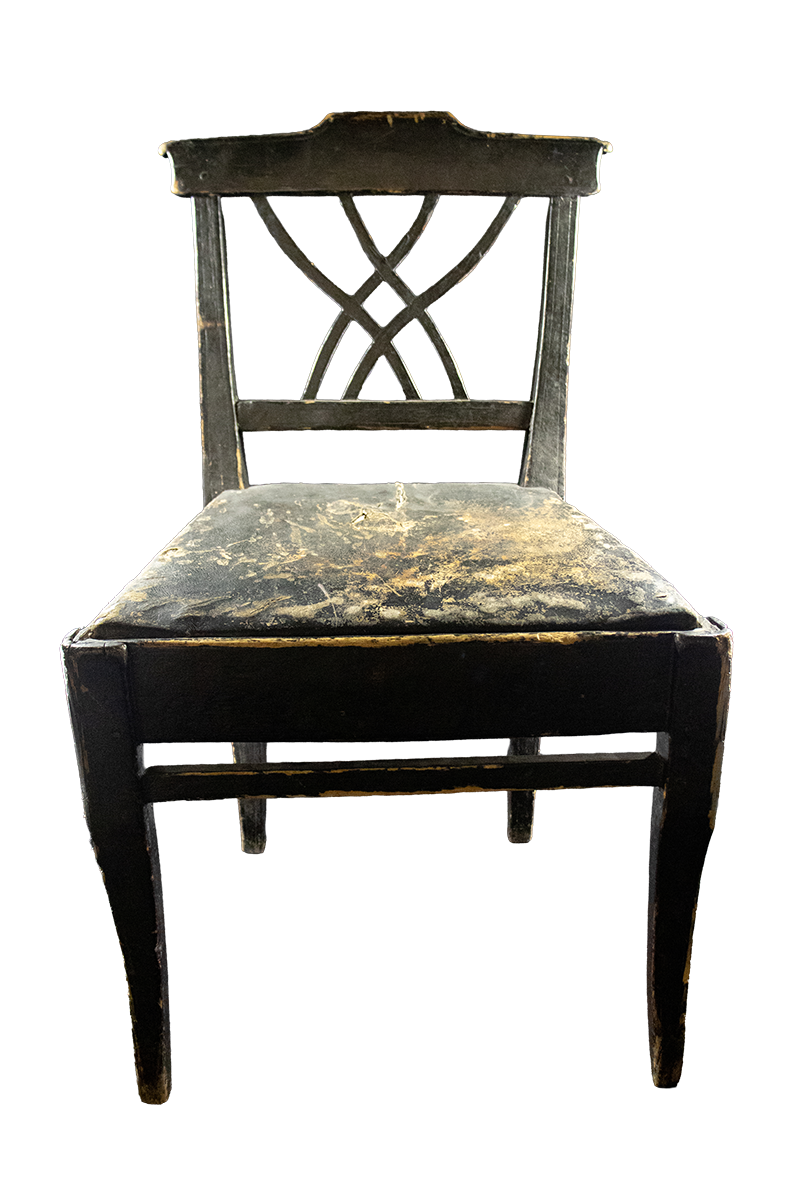
Chair

Year: 1870s

Donated/lent by: Peter D Klassen

This chair was brought to Canada by Martin Klassen in 1874. With space being at a premium, Mennonite immigrants often left items like this behind. Sometimes, families would take just the backing of the chair (if it was handcarved) then rebuild the rest of the chair when they arrived.

  • Books

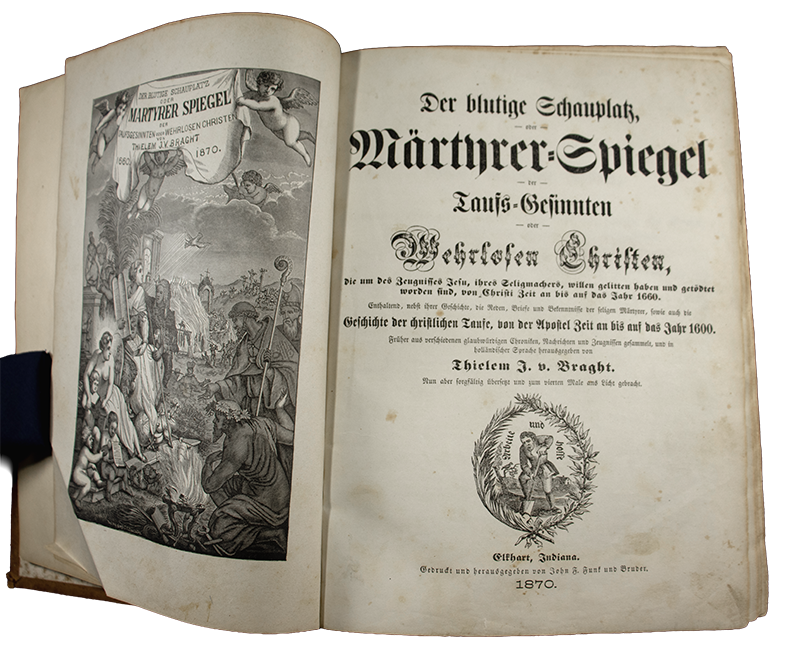
Martyrs Mirror

Year: 1870

Martyrs Mirror was first published in 1660 and features stories of Christian martyrs. Abraham L. Dueck and his family arrived in 1874 with a copy of this book in their possession.

  • Cutlery

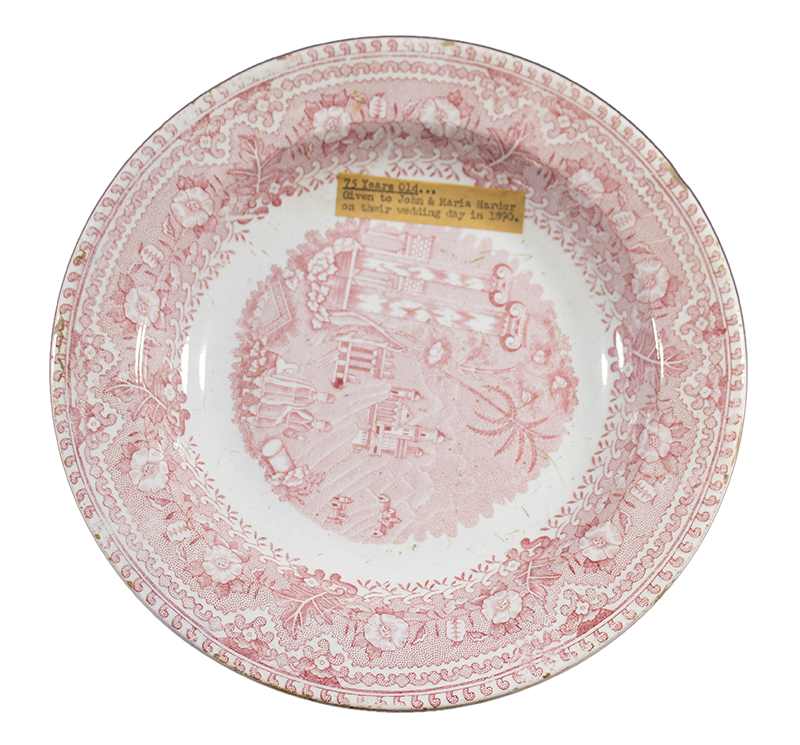
Dish

Year: 1890

This dish was given to John and Maria Harder on their wedding day in 1890. Dishes were a common item to bring on the journey to Canada, usually stored in their Travel Chest, or ‘Tjist’.

  • Clothing

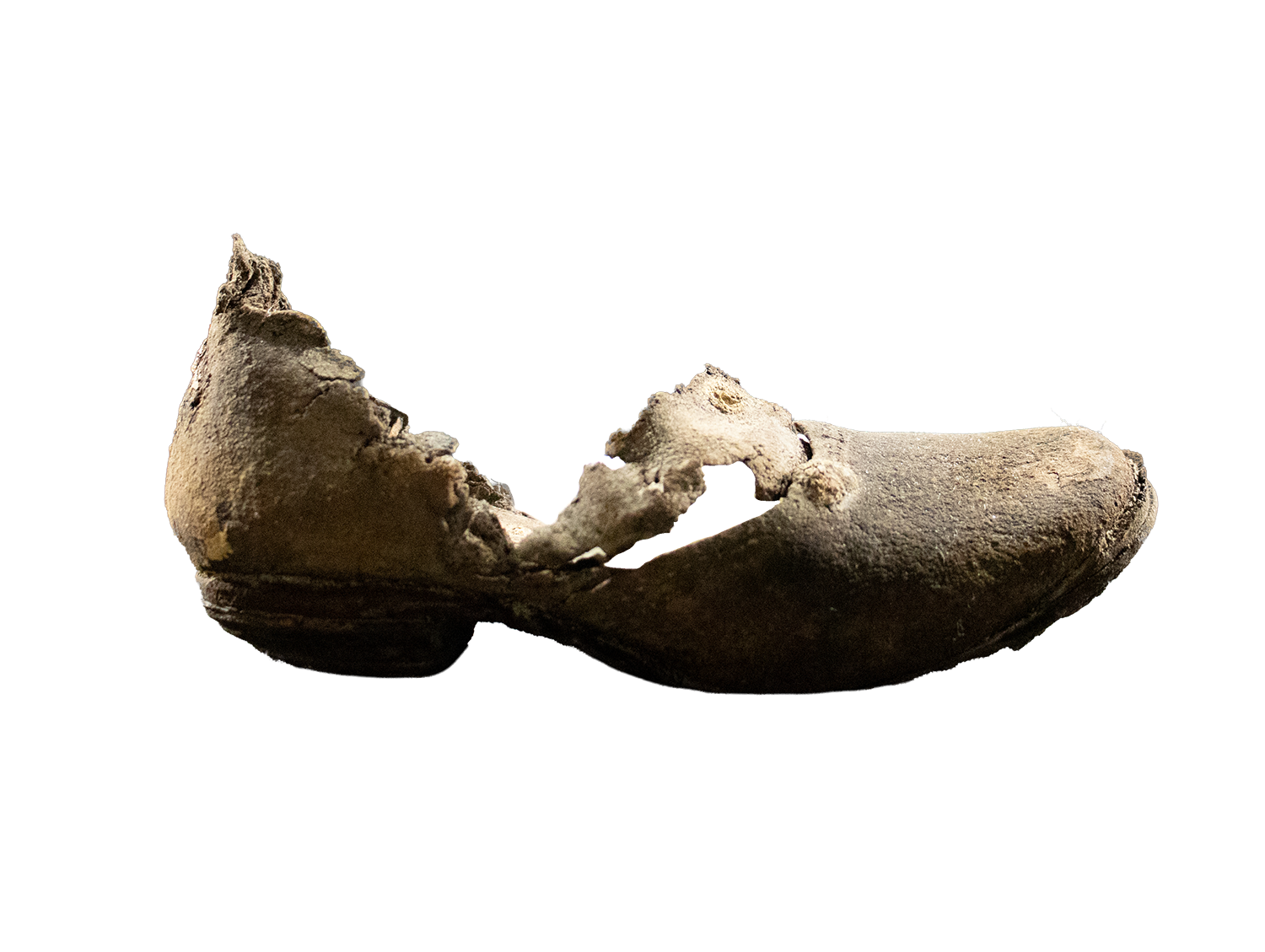
Baby Shoe

Year: Unknown

Donated/lent by: MHV

This shoe was found in an archaeological excavation that took place at the former Plett homestead, in the village of Blumenhof (East Reserve), 3 miles north of Steinbach. The excavation took place from 2008 to 2012.

  • Clothing

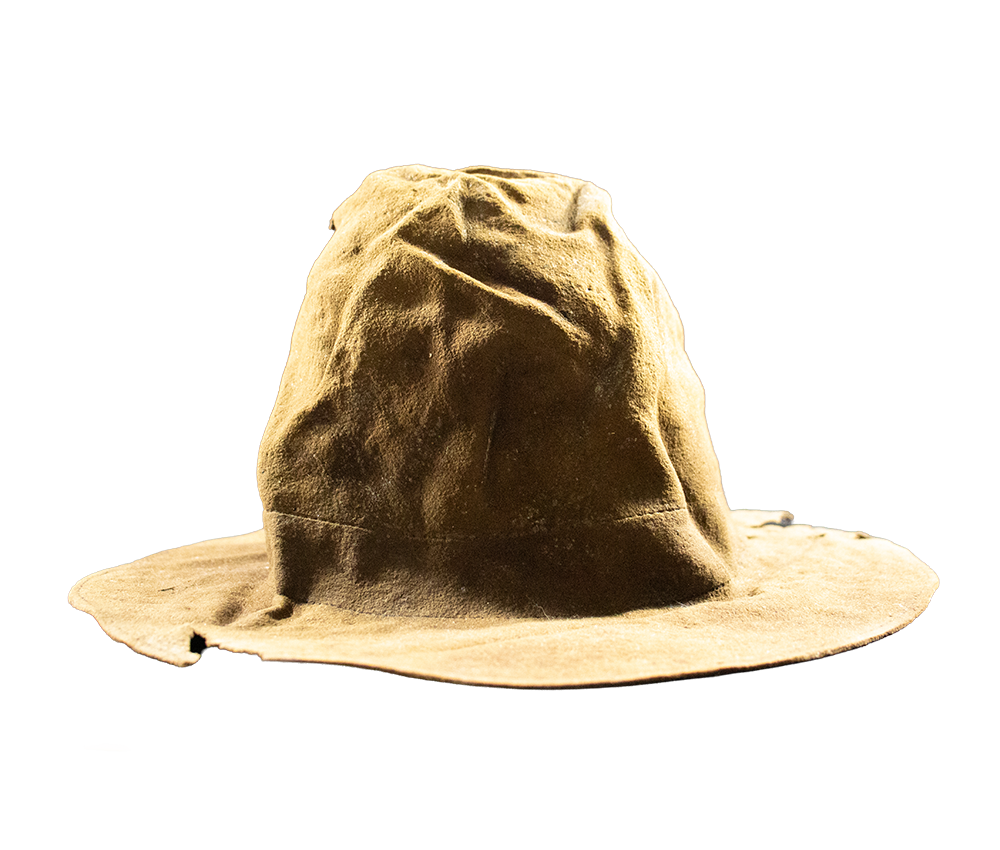
Hat

Year: Unknown

Donated/lent by: MHV

This hat was found in an archaeological excavation that took place at the former Plett homestead, in the village of Blumenhof (East Reserve), 3 miles north of Steinbach. The excavation took place from 2008 to 2012.

  • Toys

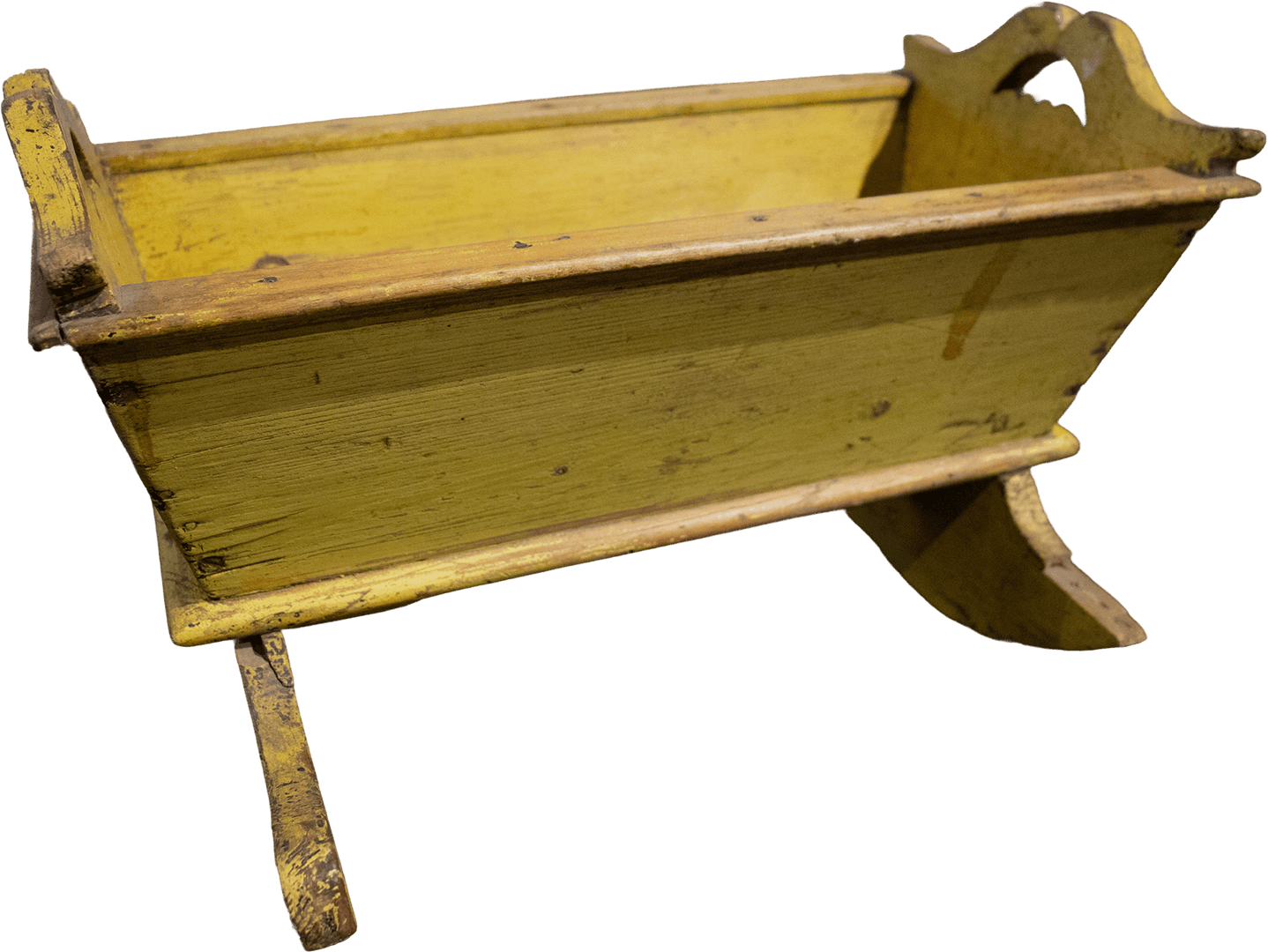
Doll Cradle

Year: 1890s

Donated/lent by: Diane B. (Postans) Carl

This cradle was likely made for Maria Toews by her uncle, Jacob Knelsen. She was the first child in her family born in Canada after leaving Imperial Russia in 1892.

  • Art

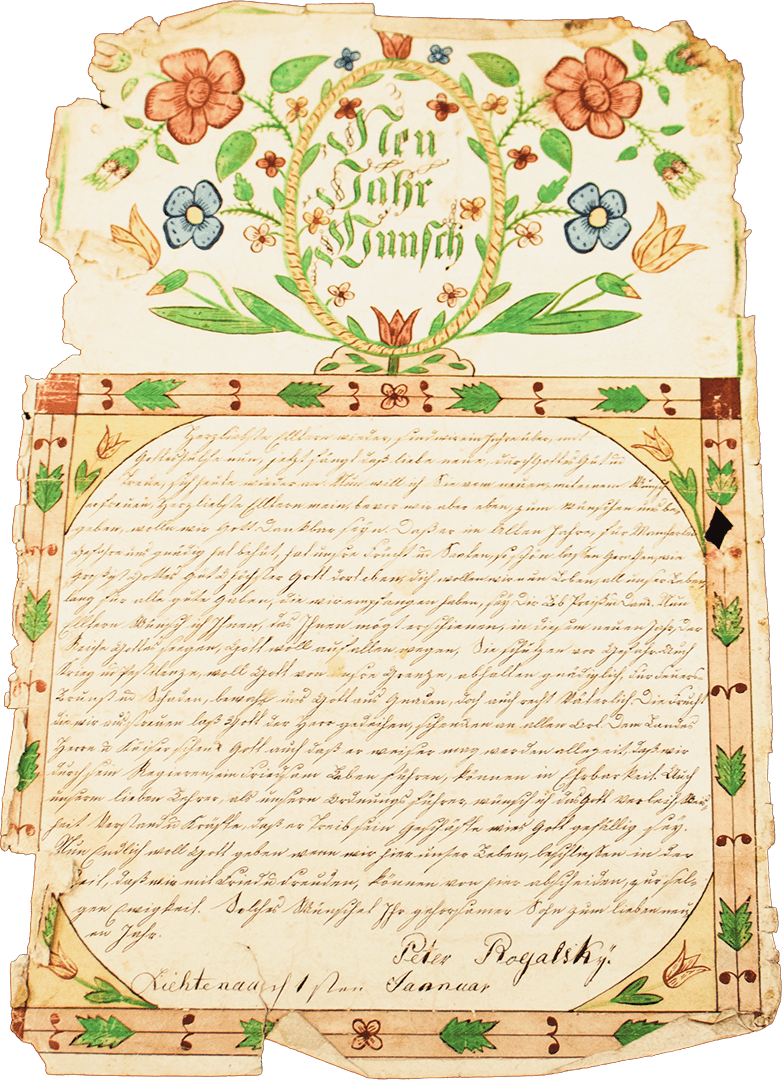
Fraktur Art / Poem

Year: 1830s

Donated/lent by: Garth Doerksen

Written by Peter Rogalsky from Lichtenau, Molotschna Colony. Fraktur art was a popular art style among Mennonites.