About

The Mennonite Heritage Village (Canada) Inc. seeks to preserve the heritage of the Russian-descendant Mennonite community, both within Manitoba and around the world through collecting and displaying artefacts, creating informational exhibits and creating events and programming that demonstrates and highlights early settler life in Manitoba. While the content is Mennonite, we serve a broader community and serve the diverse communities of Southeast Manitoba and also host over 10,000 international visitors each year. We are beginning to expand our programming to include Métis and First Nations perspectives on the Mennonite migration, and the interconnection and reliance on these communities by early Mennonite settlers.

History

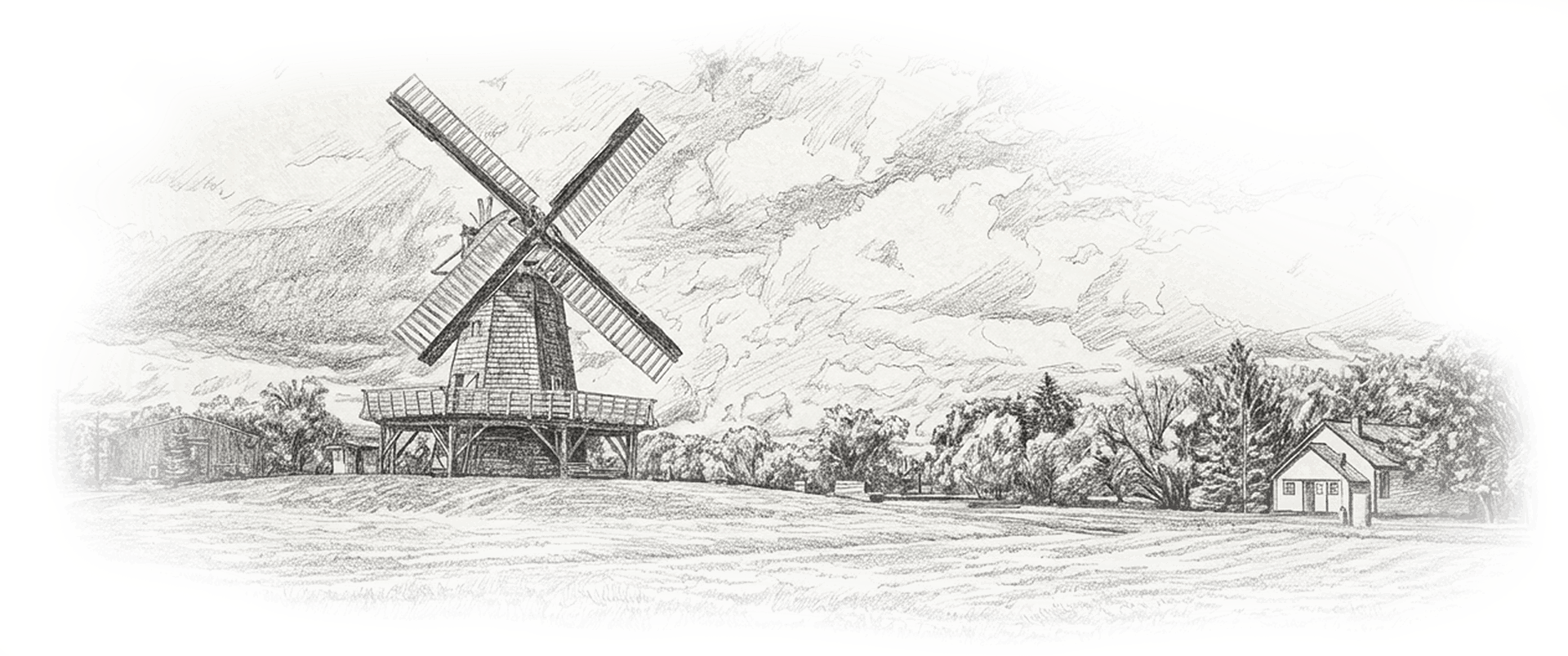
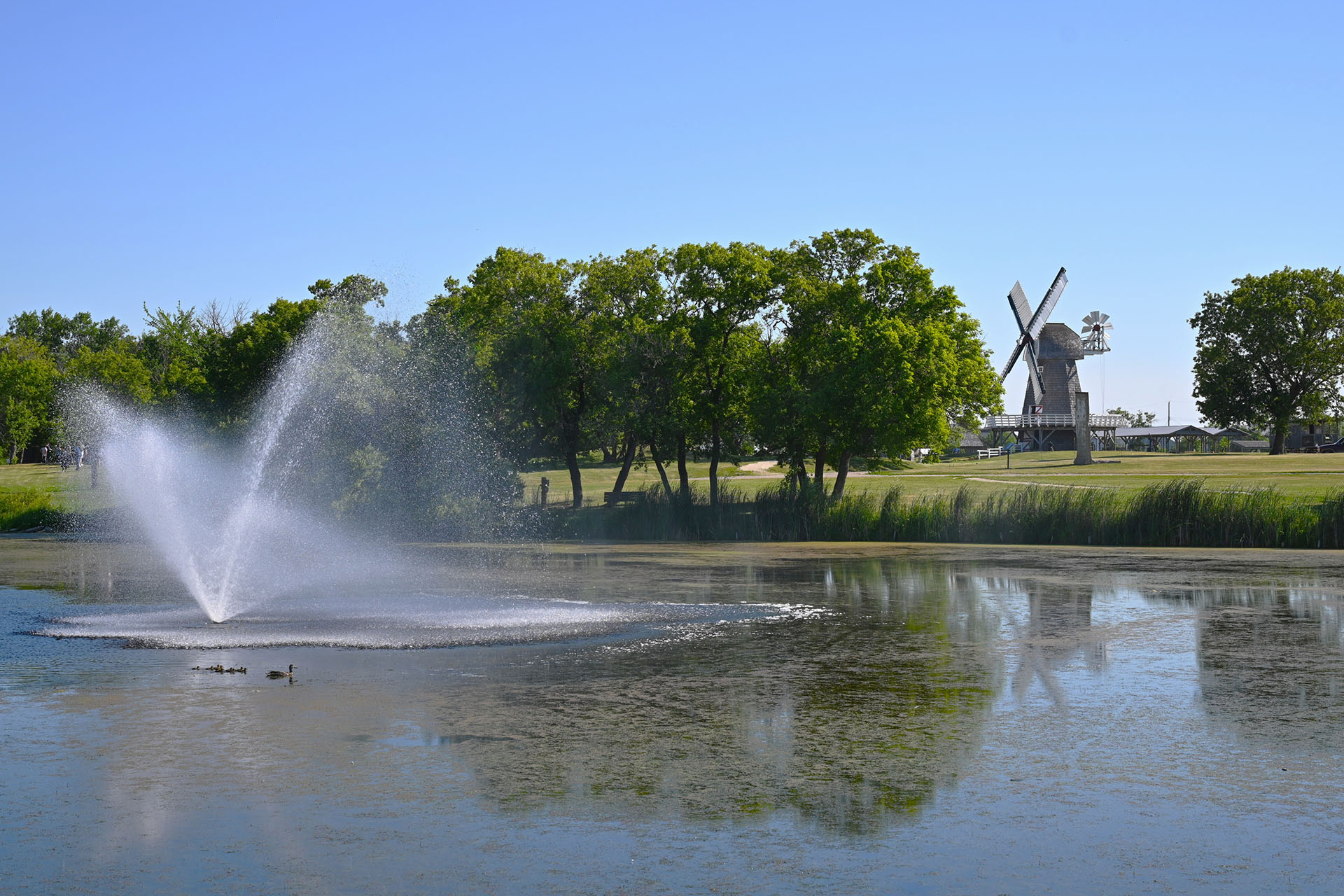
The Mennonite Heritage Village was founded in 1964 by the Manitoba Mennonite Historical Society in an effort to preserve the heritage and tell the story of the thousands of Mennonites who arrived immigrated to Manitoba, first in 1874, and again in the 1920s. These groups of Mennonites were escaping financial and political hardships in Prussia/Russia (particularly in the area that is now Ukraine), and were offered opportunity to live on two reserve lands in southern Manitoba. The museum was created through funding by local Steinbach business leaders, support from the Manitoba Mennonite Historical Society, and Provincial funding. Much of the early museum development was led by its first curator, John C. Reimer, a retired teacher and local historian from Blumenort, MB. In conjunction with provincial funding gifted by the Right Honorable Edward Scheyer PC CC CMM OM CD, the museum developed into a 40-acre site with over 30 historic buildings, and one of the few working windmills in North America.

The MHV has historically been a site of the preservation of Plautdietsch (Low German) arts, and seeks to host annual events with readings from Plautdietsch texts, plays, and musical acts. This language is increasingly less commonly spoken among Mennonites in Manitoba today, but is still widely used among Mennonites in Mexico, Belize and Paraguay, as well as in Holdeman communities of southern Manitoba.

Artefacts

  • Vehicles

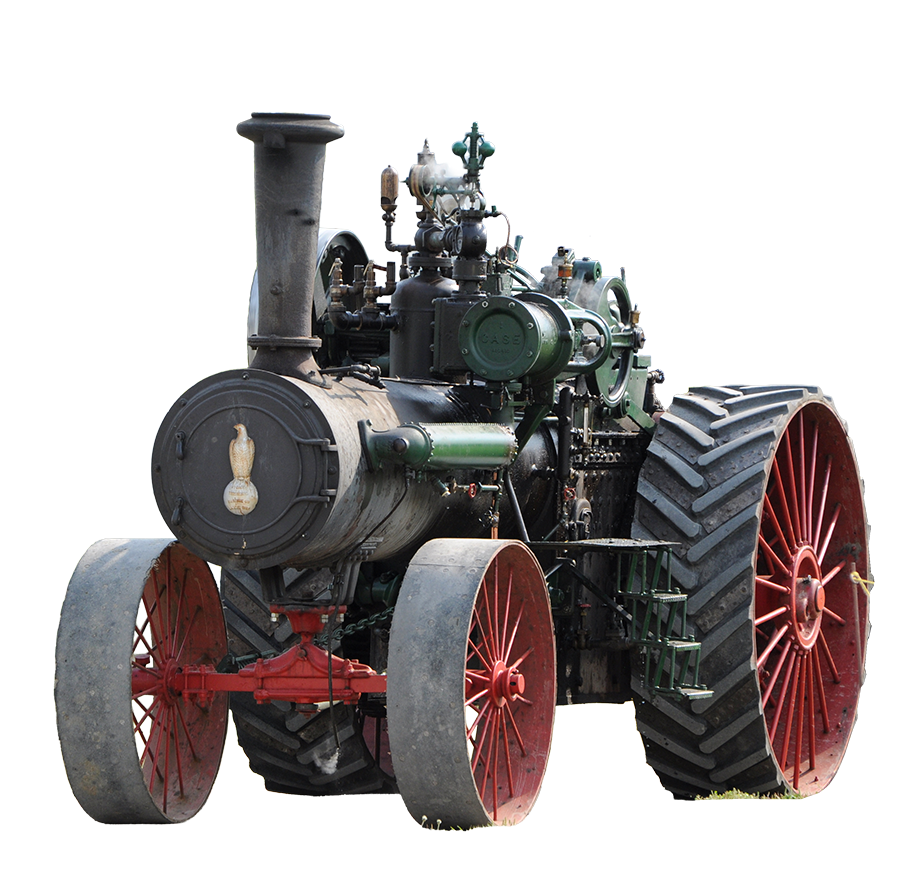
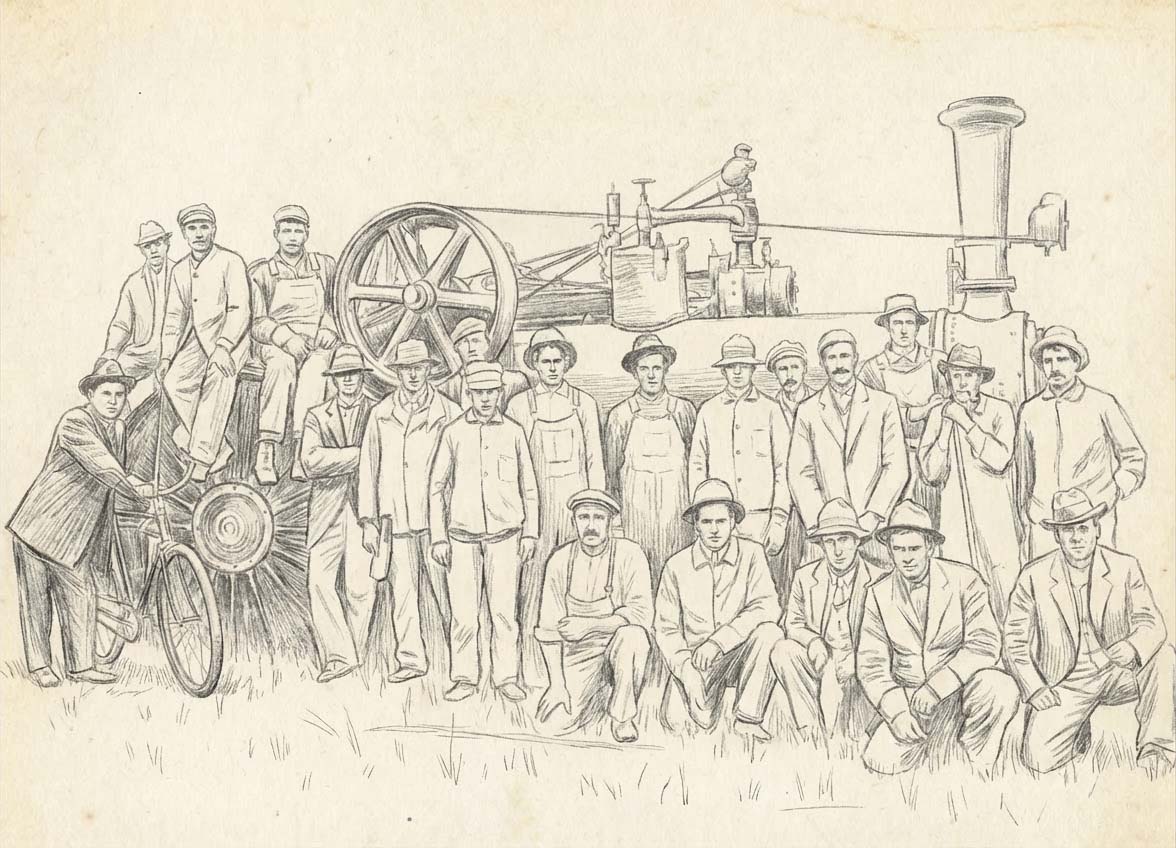
1904 Reeves 32 Cross Compound

Year: 1904

Donated/lent by: N/A

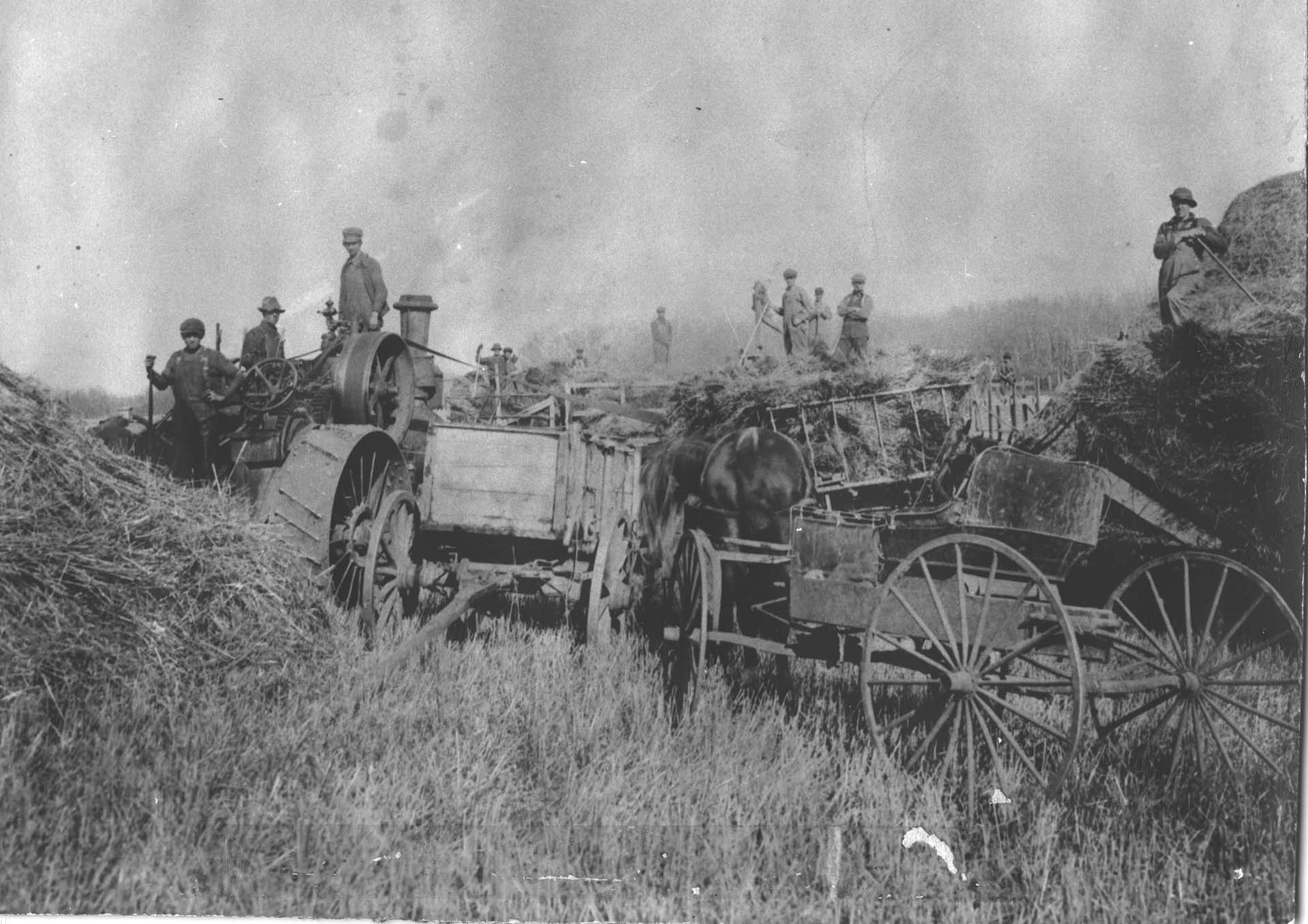
Steam tractors transformed the nature of farming for Mennonites. This steamer was originally used in Lac Seul, Ontario to drive a sawmill for a nearby dam, then was abandoned in 1935.

  • Items

Sternwheel Steamboat Replica

Year: 1989

Donated/lent by: Dan Warkentin

A model of the river boat International, which carried Mennonites on the final legs of the journey to Manitoba. Peter A. Plett made this model between 1985-1989.

  • Vehicles

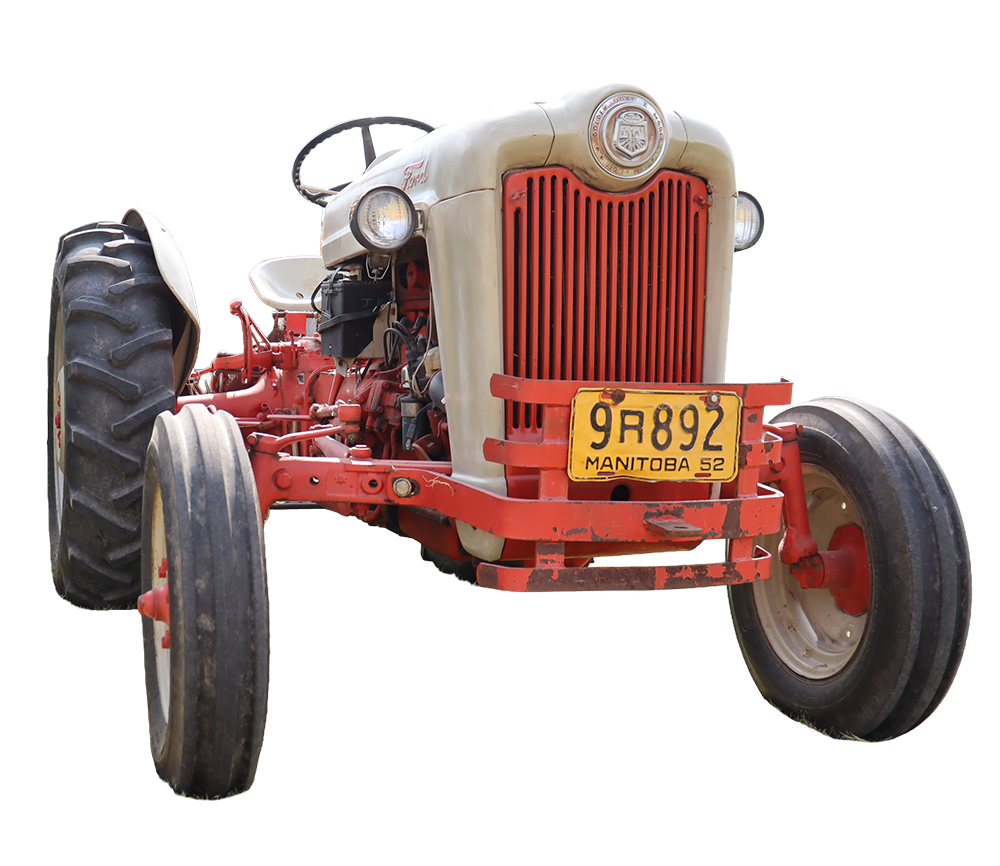
1953 Ford Golden Jubilee Model

Year: 1953

Donated/lent by: N/A

  • Items

Crokinole Board

Year: Unknown

Donated/lent by: Peter Goertzen

Crokinole was one of the many family games that Mennonites played. Interestingly, they tended not to play cards. Crokinole was invented in 1876 in a small Mennonite community in Ontario.

  • Art

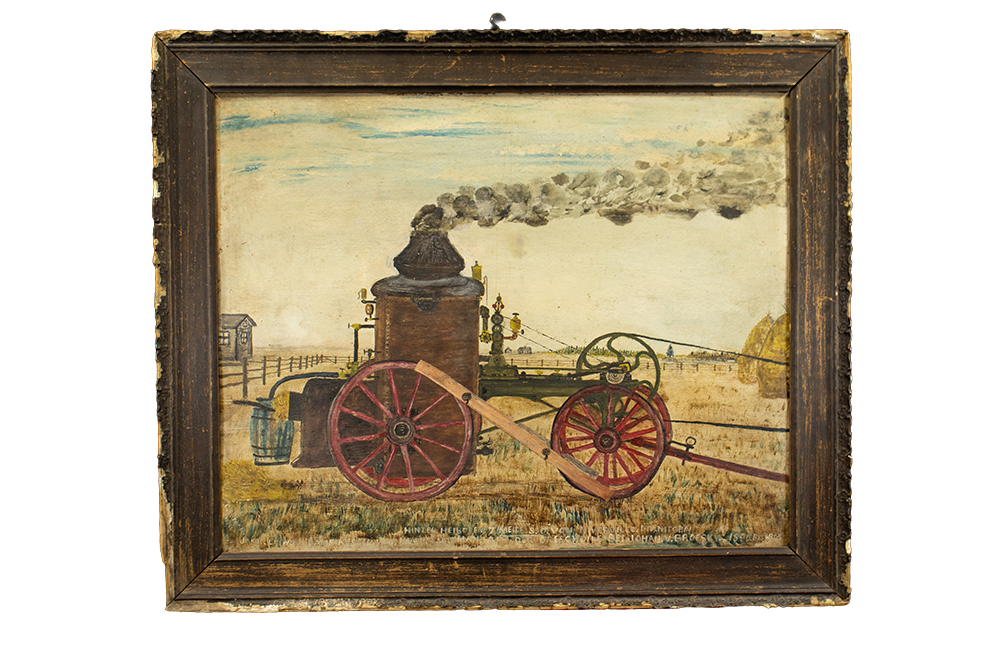
Oil Painting of Farm Scene

Year: 1890

Donated/lent by: Derksen Printers

This is an oil painting of a Mennonite farm scene near Niverville (East Reserve). The steam engine changed the nature of farming in Manitoba, and Mennonites were early adopters.

  • Furniture

Falk Chair

Year: Unknown

Donated/lent by: John Schellenberg

This chair was made using a design popular when the Mennonites lived in Prussia (now Poland). David Falk built this chair using local wood in Manitoba.
  • Items

Clapper Alarm

Year: Unknown

Donated/lent by: Eva Reimer

A homemade alarm used in case of an emergency. It was made by Henry Neufeld for his grandson.

  • Toys

Toy Ball

Year: 1900

Donated/lent by: Kathy Dahl

Toys were often left behind when Mennonites immigrated, but new ones were made shortly after arriving. This homemade ball was used by children when they weren’t working on the farm.

  • Books

Mathematics Schoolbook

Year: Unknown

Donated/lent by: N/A

This math book comes from Blumenhof Private School (West Reserve). One of the promises made to the Mennonites was that they could educate their children in their own schools in German. However, legislation passed in 1916 required all education to be in English, and is one of the factors that led to Mennonites leaving for Mexico and Paraguay in the 1920s.

  • Clothing

Haube

Year: 1890

Donated/lent by: Katharina Fast

The Haube was a head covering worn by Mennonite women while attending worship services. This Haube was made in 1890.

  • Cutlery

Jug

Year: Unknown

Donated/lent by: N/A

  • Items

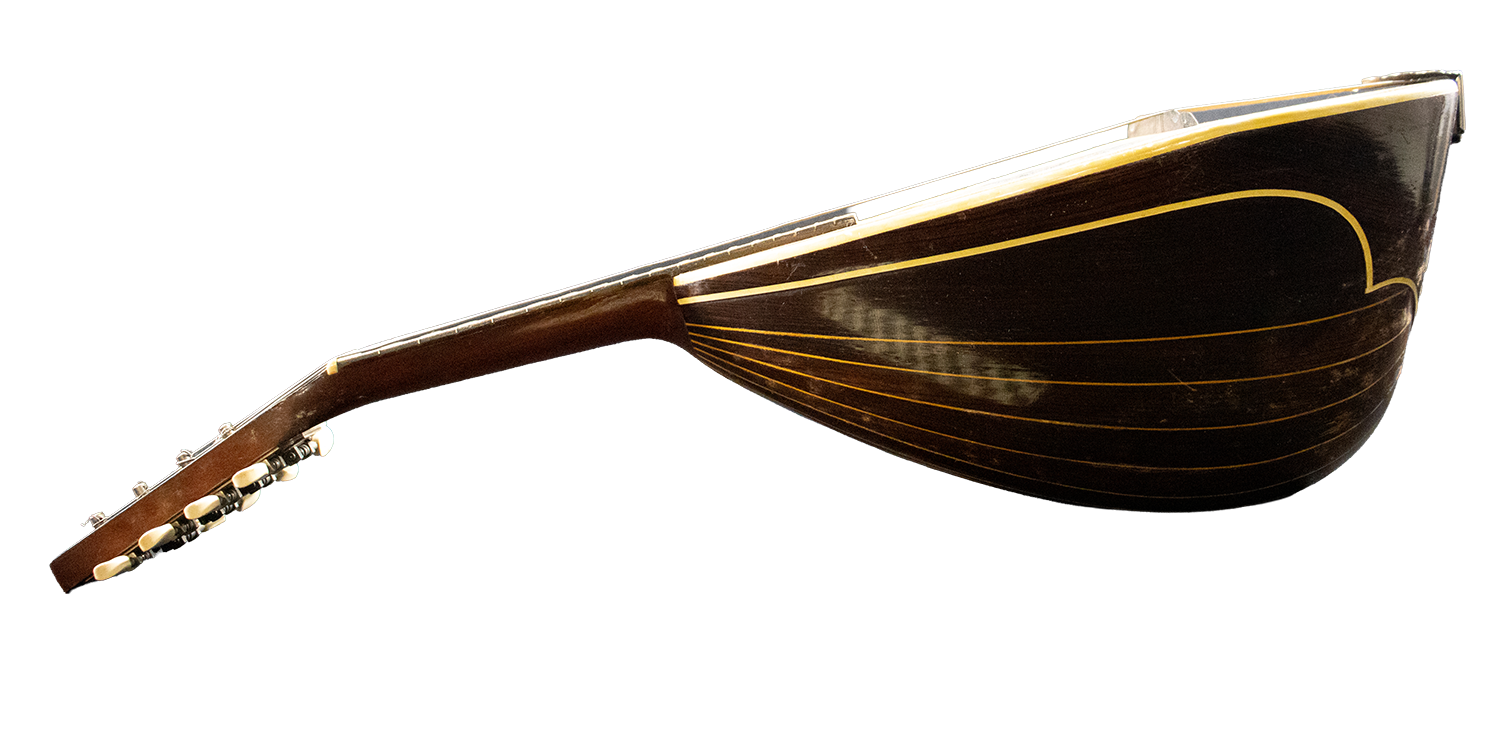
Mandolin

Year:

Donated/lent by: Karen Nowicki

Olga Lechelt emigrated to Canada from Volhynia, Imperial Russia in 1912 with six of her siblings, leaving her parents and seven other siblings behind. Olga settled in Friedensfeld and played the mandolin and the guitar. Her sibling who settled in the United States may have bought this mandolin for her.

  • Vehicles

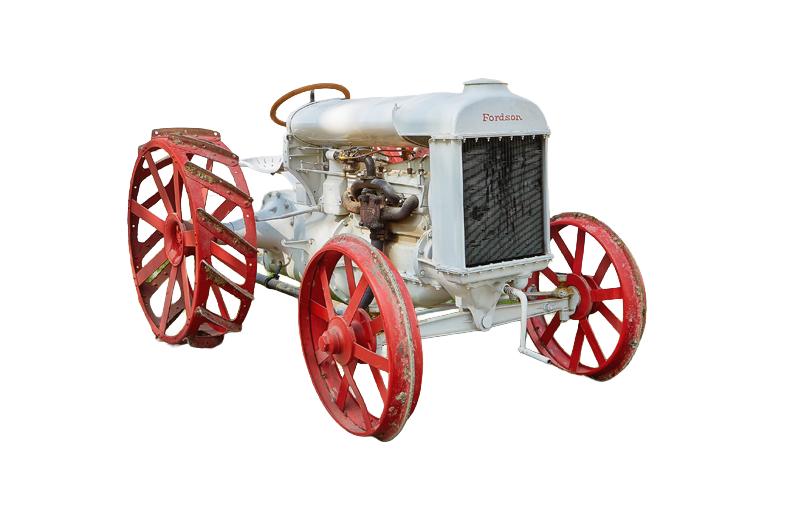
1926 Fordson F Tractor

Year: 1926

Donated/lent by: N/A

This tractor is nearly identical to those sent to Ukraine by the Mennonite Central Committee (MCC) in 1923 during the Ukrainian famine. The one at MHV was restored to factory specifications between 2009 and 2010.

  • Books

Midwife's Reference Book

Year: 1883

Donated/lent by: Leona Rempel, Sandra Sheridan

In Anna Toews’ journal, she documented recipes and remedies for curing the ailments of the people she treated. As a widwife in Blumenort (East Reserve) from 1893 to 1932, she delivered almost 1000 babies, and lent her services to the Metis people of Ste. Anne and Richer.

  • Furniture

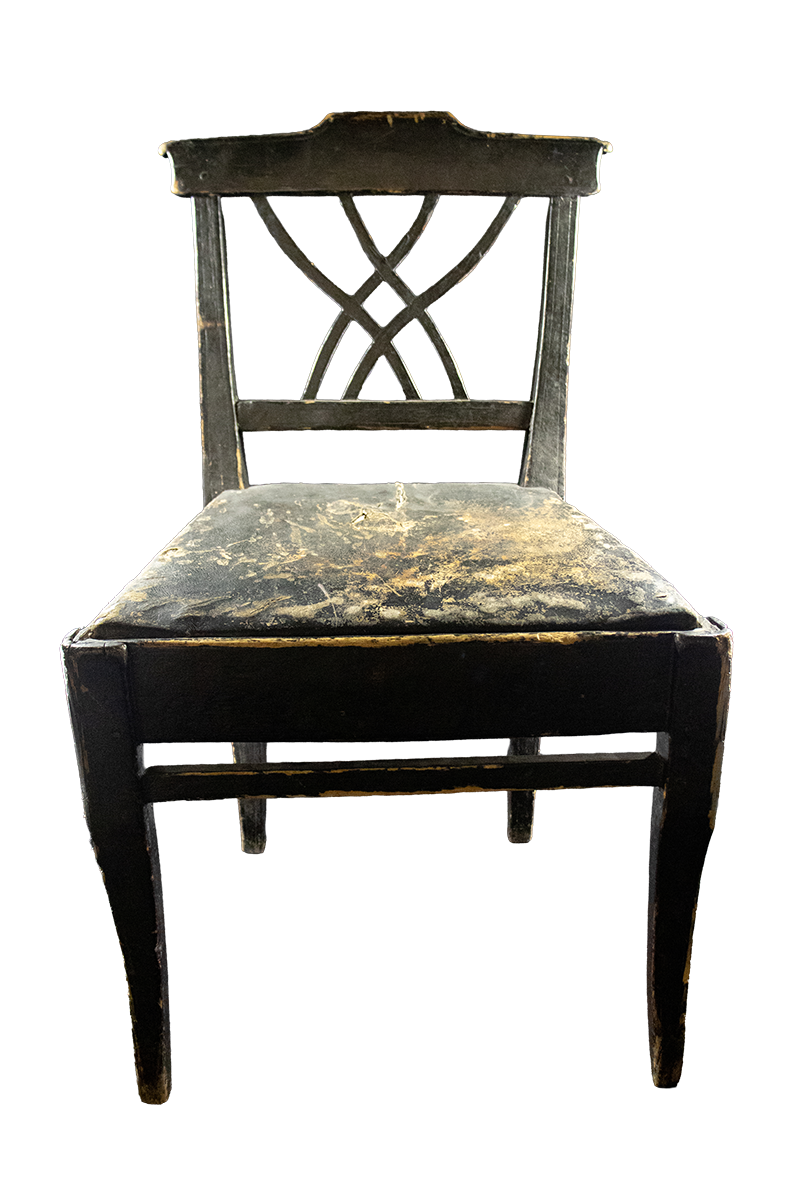
Chair

Year: 1870s

Donated/lent by: Peter D Klassen

This chair was brought to Canada by Martin Klassen in 1874. With space being at a premium, Mennonite immigrants often left items like this behind. Sometimes, families would take just the backing of the chair (if it was handcarved) then rebuild the rest of the chair when they arrived.

  • Books

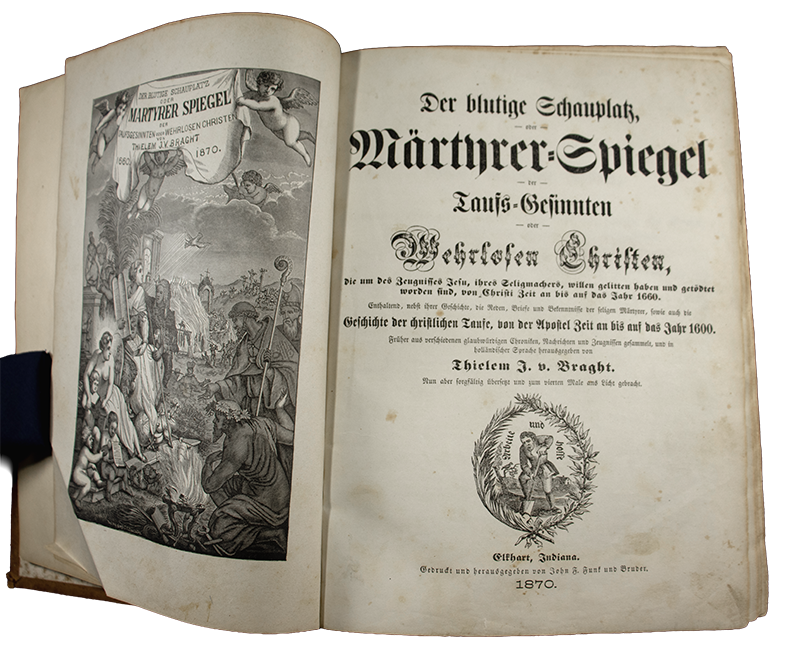
Martyrs Mirror

Year: 1870

Donated/lent by:

Martyrs Mirror was first published in 1660 and features stories of Christian martyrs. Abraham L. Dueck and his family arrived in 1874 with a copy of this book in their possession.

  • Cutlery

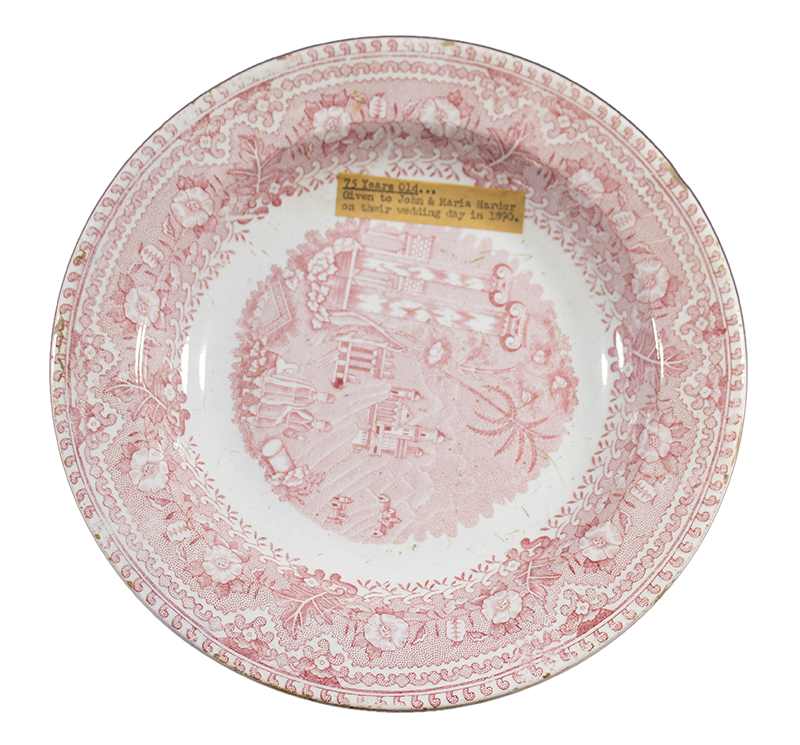
Dish

Year: 1890

Donated/lent by:

This dish was given to John and Maria Harder on their wedding day in 1890. Dishes were a common item to bring on the journey to Canada, usually stored in their Travel Chest, or ‘Tjist’.

  • Clothing

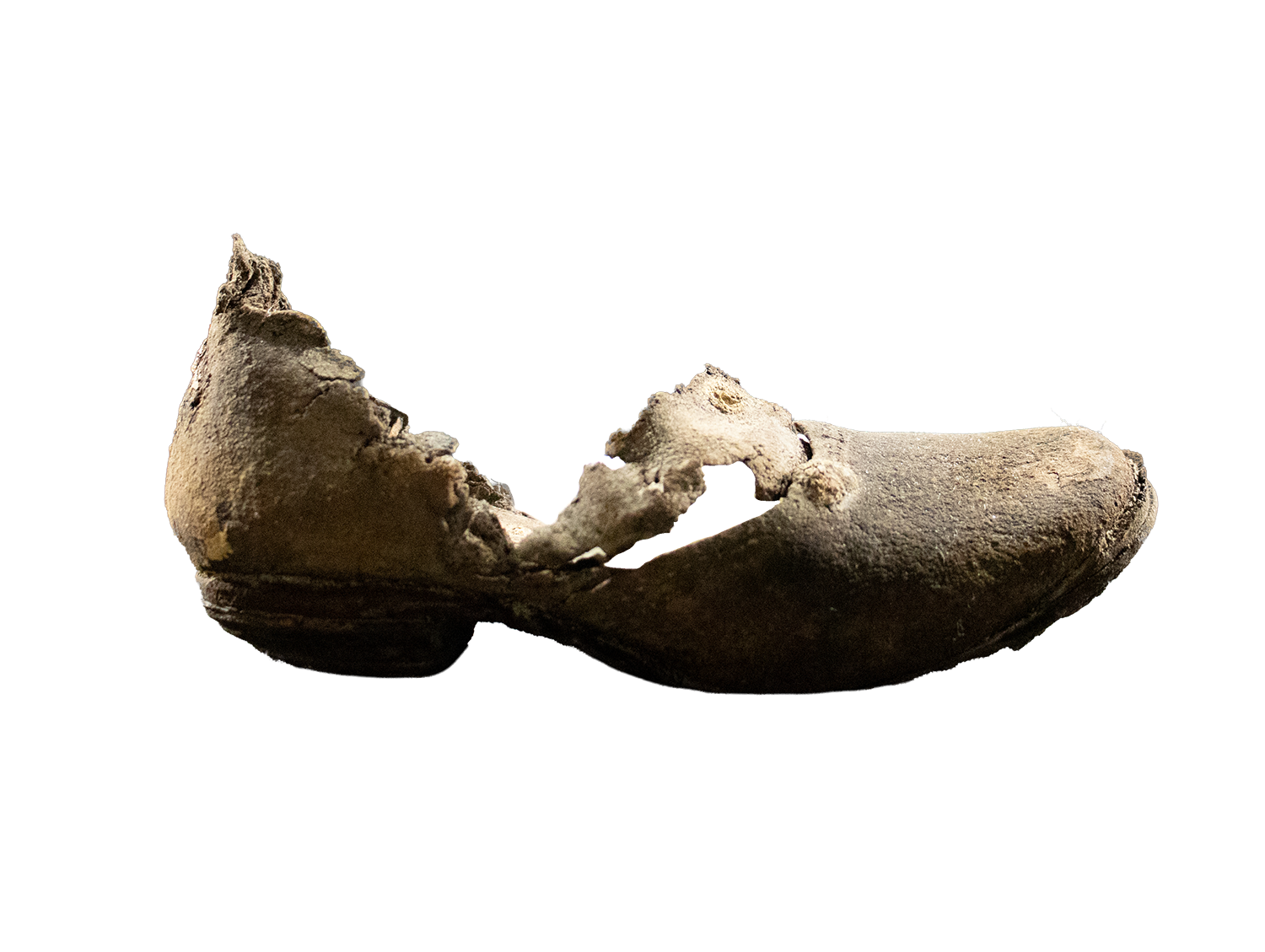
Baby Shoe

Year: Unknown

Donated/lent by: MHV

This shoe was found in an archaeological excavation that took place at the former Plett homestead, in the village of Blumenhof (East Reserve), 3 miles north of Steinbach. The excavation took place from 2008 to 2012.

  • Clothing

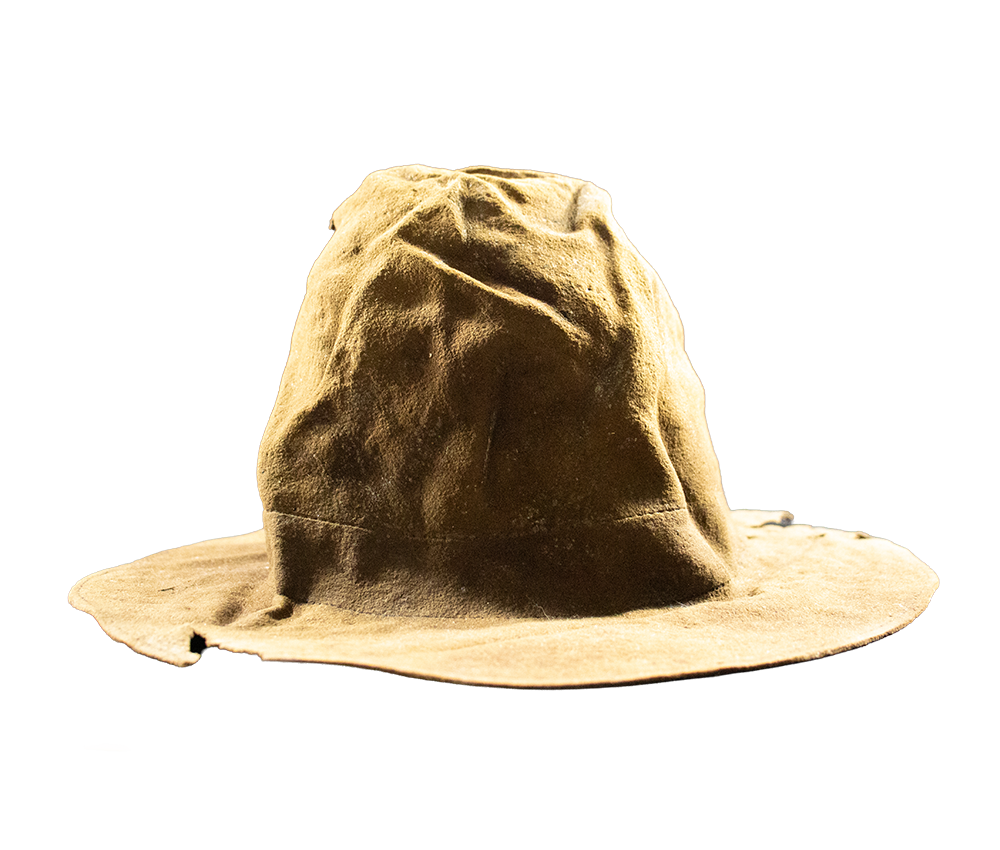
Hat

Year: Unknown

Donated/lent by: MHV

This hat was found in an archaeological excavation that took place at the former Plett homestead, in the village of Blumenhof (East Reserve), 3 miles north of Steinbach. The excavation took place from 2008 to 2012.

  • Toys

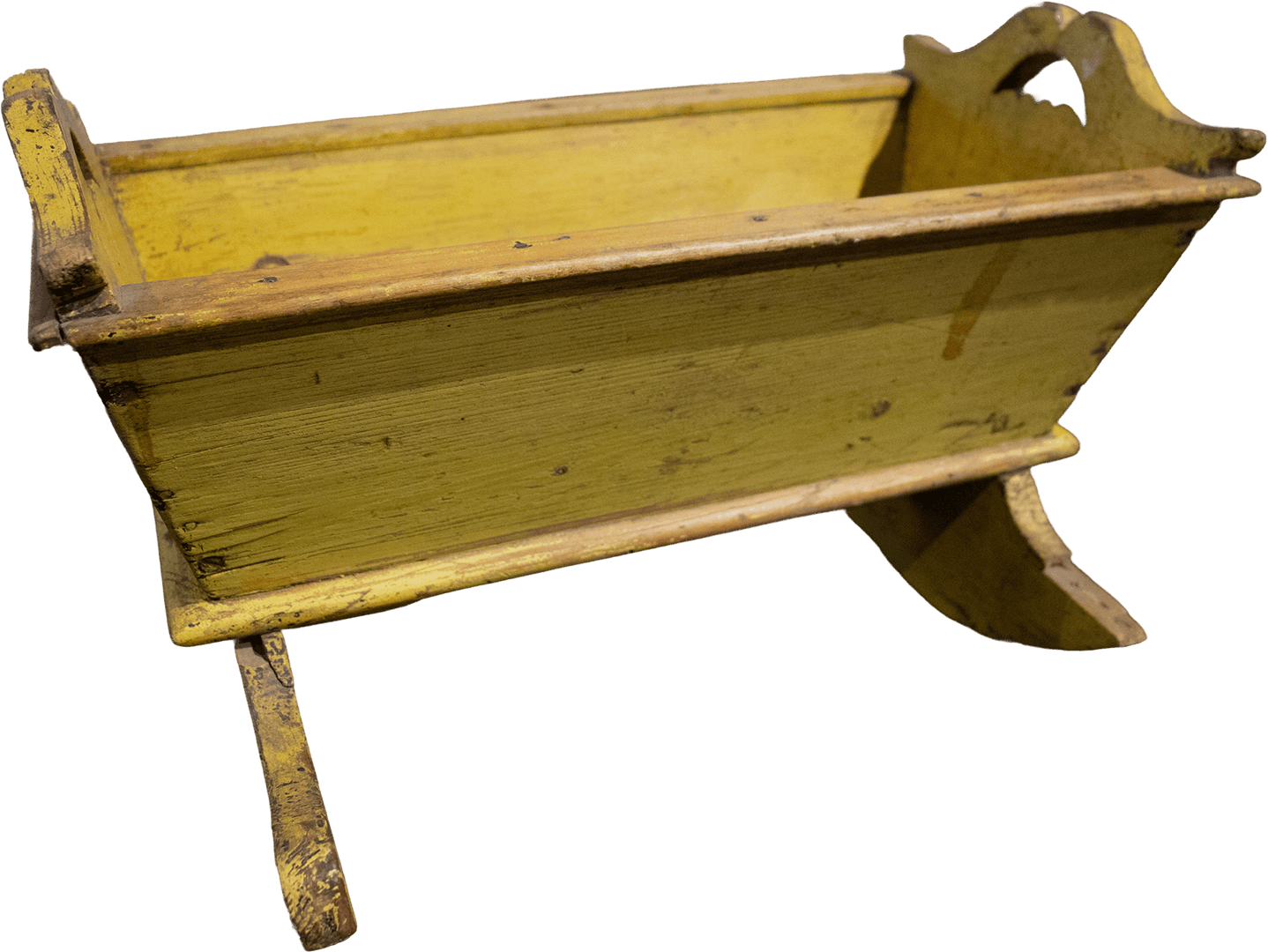
Doll Cradle

Year: 1890s

Donated/lent by: Diane B. (Postans) Carl

This cradle was likely made for Maria Toews by her uncle, Jacob Knelsen. She was the first child in her family born in Canada after leaving Imperial Russia in 1892.

  • Art

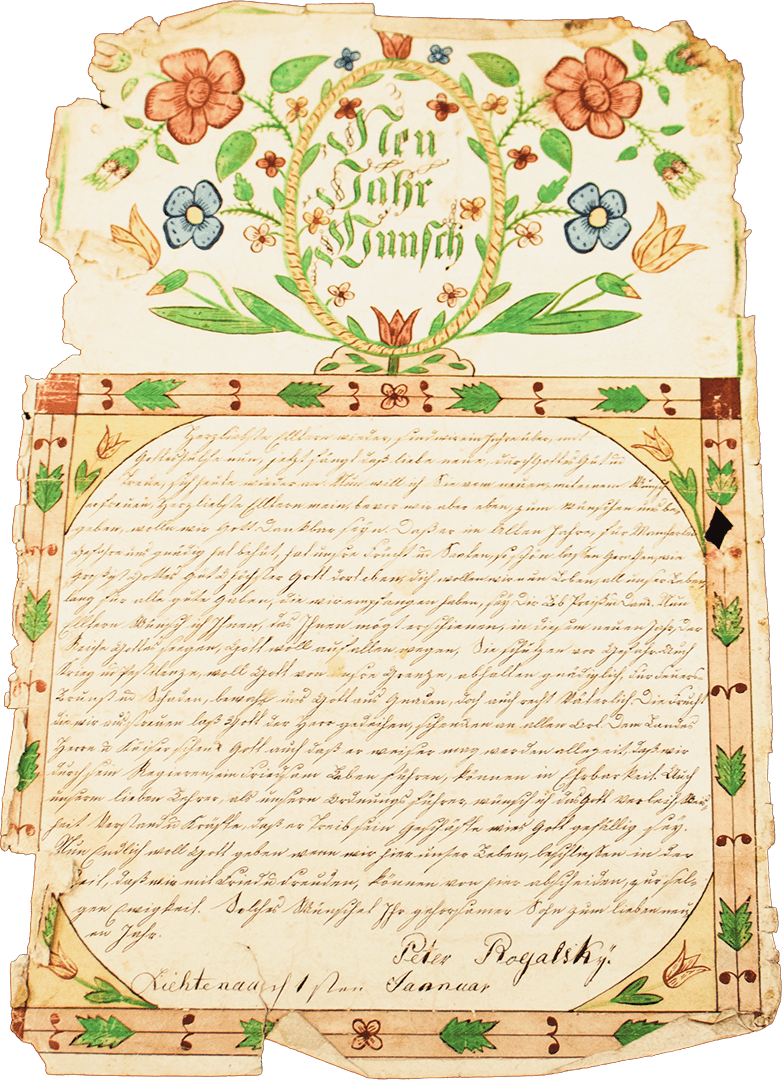
Fraktur Art / Poem

Year: 1830s

Donated/lent by: Garth Doerksen

Written by Peter Rogalsky from Lichtenau, Molotschna Colony. Fraktur art was a popular art style among Mennonites.

Mission & Values

  1. Mission

    To preserve and exhibit for present and future generations the experience and story of the Russian Mennonites and their contribution to Manitoba.

  2. Vision

    "MHV will be the premier interpretive centre for the Russian Mennonite story."

  3. Priorities

    To achieve financial health - To engage future generations - To be a world class tourist attraction - To provide quality education related to our mission

  4. Core Values

    Integrity - Respect - Excellence - Financial Sustainability - Environmental Responsibility - Visitor Friendly - Member-owned

Our Mandate

Our mandate is to explore the subject of human rights, with special but not exclusive reference to Canada, in order to enhance the public’s understanding of human rights, to promote respect for others, and to encourage reflection and dialogue.

As with all of Canada’s national museums, the Canadian Museum for Human Rights plays an essential role in:

  • Preserving and promoting our heritage at home and abroad
  • Contributing to the collective memory and sense of identity of all Canadians
  • Being a source of inspiration, research, learning and entertainment that belongs to all Canadians
  • Providing, in both official languages, a service that is essential to Canadian culture and available to all

Governance

Mennonite Heritage Village (Canada) Inc.(MHV) is incorporated in the Province of Manitoba and is owned by approximately 400 members. A board of directors is elected at the organization’s Annual General Meeting and is responsible for oversight of the museum. This board functions as a governance board focusing on the mission, vision, values, strategic priorities, and policies of MHV. The board hires an Executive Director to manage the operations of the museum.

The museum preserves a collection of over 16,000 artifacts and uses them, and the stories associated with them, to interpret the history of the Mennonites who immigrated from Russia to Canada, beginning in 1874. Our programs reach out to our local constituency as well as an international audience focusing on tourism and education. Our festivals and meeting facilities reach out to the local community.

Our operations are funded approximately 60% by our own services, 15% by government grants, and 25% by fundraising initiatives and donations.